



Cakici: Major Depression Rate Reaches 23 Percent, Drug Use Drops To Ages 11–12
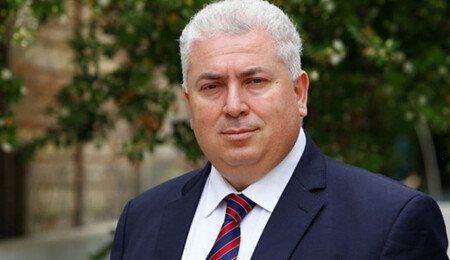
Speaking on Gündem Kıbrıs Web TV, Professor Mehmet Cakici said the rate of major depression in Northern Cyprus has reached 23 percent, while anxiety, trauma, addiction and gambling have increased significantly over the years. He warned that drug use has fallen to the age group of 11–12 and stressed that society is experiencing a serious mental health crisis.
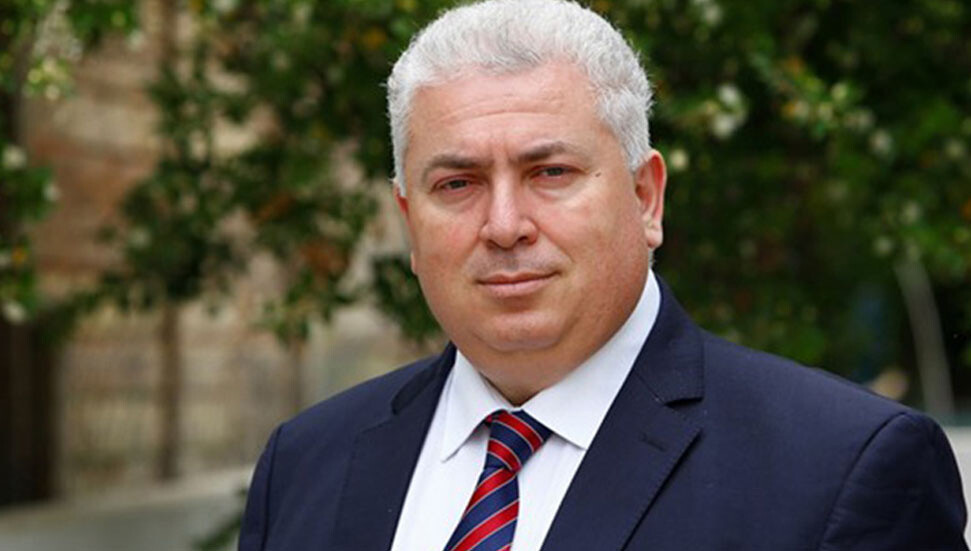


Cakici answered questions from Bahar Sancar on Gündem Kıbrıs Web TV and drew attention to the scale of mental health problems in Northern Cyprus.
“Mental health is a global issue. One in every three or four people worldwide — around 25 to 30 percent — experiences at least one mental illness in their lifetime. That corresponds to nearly two billion people in a world of six billion. Some countries are more at risk in this respect. Societies that have experienced war, migration, economic hardship, discrimination and colonial histories suffer these problems much more severely,” he said.
Noting that major depression ranks first among mental health disorders, followed by anxiety disorders, Cakici said major depression manifests itself through symptoms such as persistent sadness, loss of motivation, inability to enjoy previously pleasurable activities, sleep and eating problems, absent-mindedness and forgetfulness, feelings of worthlessness and, in advanced stages, thoughts of death.
“If at least five of these symptoms are present every day for more than 15 days, consulting a specialist is essential. The person will feel this way throughout the day and it will also be noticeable to others,” he said.
“Major Depression Rate Is 23 Percent In Our Country”
Cakici said the major depression rate in the TRNC stands at 23 percent, compared with 3 percent in Japan.
“Our anxiety rate is 12 percent, while in European countries it is below 9 percent. Psychological trauma is below 9 percent in EU countries, but around 19 percent here. Drug use has tripled compared to 2003. Gambling addiction was 7 percent in 2007 and is now 14.6 percent. All our indicators have increased over the years,” he said.
He added that Northern Cyprus is among the regions with the highest rates of mental illness in the world.
“Wars, migration and economic crises affect this picture. We observe this not only through patients but also through field studies and globally published data,” he said, underlining that society remains deeply affected.
“The Mental Problems We Face Are Serious”
Cakici said society has been shaken by wars, economic crises, bank collapses, earthquakes, floods and the Covid-19 pandemic.
“After Covid, even greater economic problems emerged. The political atmosphere is not reassuring and there is a sense of injustice. All of this seriously affects mental health in Cyprus. The mental problems we are experiencing are at a critical level,” he said.
“Drug Use Has Fallen To Ages 11–12”
Professor Cakici also made statements on drug use and rehabilitation processes.
“Drug use has fallen to primary school level. Among the 11–12 age group, drug use stands at 1 percent. However, first experimentation increases at ages 15–16, which is the most risky period,” he said.
Recalling that scientific studies on drugs have been conducted since 1996, Cakici said: “We have carried out eight scientific studies to date. We have a 23-year follow-up study, 30 years of data and two separate training programmes.”
“Drug Rehabilitation Must Be Through Living, Not In Closed Facilities”
Explaining that the Barış and Mental Health Hospital provides multi-dimensional services, Cakici said early-stage alcohol and substance users can be treated there under AMATEM programmes, but fully dependent individuals require rehabilitation.
“This is like a brain-reset process and should not take place in locked, closed environments, but in places where people can live,” he said.
Cakici cited the “Pink Mansion” model as an example of rehabilitation practice.
“A person can stay in a holiday village for six months, but cannot remain in a single room for six months. We apply a short three-month rehabilitation period at the Pink Mansion. This method costs about one-fifth or one-sixth of what the state normally spends,” he said.
He noted that patients come not only from the TRNC but also from Turkey and other parts of the world, stressing the importance of effective, life-oriented rehabilitation models in combating drug addiction.
Cakici also described the opening of a Mental Health Protection Centre in Famagusta as an important step.


Diğer CYPRUS MIRROR Haberleri



Yorumlar
Dikkat!
Suç teşkil edecek, yasadışı, tehditkar, rahatsız edici, hakaret ve küfür içeren, aşağılayıcı, küçük düşürücü, kaba, müstehcen, ahlaka aykırı, kişilik haklarına zarar verici ya da benzeri niteliklerde içeriklerden doğan her türlü mali, hukuki, cezai, idari sorumluluk içeriği gönderen Üye/Üyeler’e aittir.